TKW Consulting


Second Step: A Violence Prevention Program..
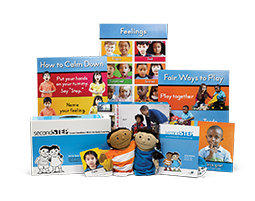
For preschool/kindergarten through grade 9 The award-winning Second Step program teaches social and emotional skills for violence prevention. The program includes research-based, teacher-friendly curricula, training for educators, and parent-education components. "The Second Step program has been a big part of our success at Northwest Elementary—school detentions are down and test scores are up." Joe Schlaffer, Principal, Northwest Elementary, Lebanon, Pennsylvania Why Violence Prevention Is Important Research shows that aggressive behavior in children predicts risk of later delinquency, substance abuse, school dropout, early parenthood, and depression. Classroom use of the Second Step program helps provide children with the skills they need to create safe environments and become successful adults. Based on more than 15 years of classroom application and the most current academic, social, and emotional research, the Second Step program focuses on the three essential competencies—empathy, impulse control and problem solving, and anger management. The Second Step lessons are easy to teach, flow sequentially, and require minimal teacher preparation time. Integration activities tie the lessons to academic learning requirements—health, science, math, social studies, and language arts—helping teachers build on what they are already doing in the classroom. The Second Step Program: Lesson Topics Weekly Themes Early Learning skills and concepts are taught through short, daily activities that take 5–7 minutes with little to no prep time. UNIT 1 Skills for Learning Welcoming Listening Focusing Attention Self-Talk Following Directions Asking for What You Need or Want UNIT 2 Empathy Identifying Feelings (happy, sad) More Feelings (surprised, scared) Identifying Anger Same or Different Feelings Accidents Caring and Helping UNIT 3 Emotion Management We Feel Feelings in Our Bodies (worried) Strong Feelings (frustrated) Naming Feelings Managing Disappointment Managing Anger Managing Waiting UNIT 4 Friendship Skills and Problem Solving Fair Ways to Play (play together, trade, take turns) Having Fun with Friends Inviting to Play Joining In with Play Saying the Problem Thinking of Solutions Speaking Up Assertively UNIT 5 Transitioning to Kindergarten Learning in Kindergarten Riding the Kindergarten Bus Making New Friends in Kindergarten Second Step can be taken as an all-day 8 hour training or can be split into a four hour session with two hours of extended learning, followed by another four hour session for a total of 10 continuing education hours.
Promoting Quality Child Care.
Copyright © 2005-2022 TKW Consulting
all rights reserved
Website design and maintenance by Kandi Technologies